In an increasingly digital world, the power of online platforms to connect us with history, culture, and shared experiences is more vital than ever. Two seemingly disparate websites, one a beacon of historical preservation and the other a hub for modern-day entertainment, subtly illustrate this profound capability.
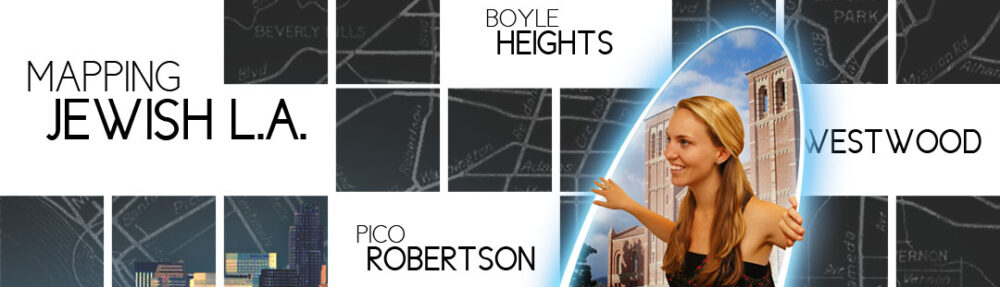
The Mapping Jewish Los Angeles Project (MJLA) at mappingjewishla.org stands as a testament to the enduring human desire to document, understand, and share our past. It’s a vibrant tapestry woven from historical documents, personal narratives, and geographical data, all meticulously curated to illuminate the rich and complex history of the Jewish community in Los Angeles. This isn’t just about dusty archives; it’s about bringing forgotten stories to life, allowing users to “drill down” into locations and uncover the overlapping layers of the past. From the unlikely role of Jewish grocers in the invention of the modern supermarket to the vibrant cultural life of historic Jewish neighborhoods, MJLA demonstrates how digital tools can transform historical research into an engaging, accessible, and deeply human experience. It builds bridges – between institutions, scholars, students, and citizen experts, ensuring that the legacy of a community is not only preserved but actively shared and celebrated across generations.
This innovative approach to historical mapping and storytelling fosters a sense of belonging and continuity. It allows descendants to connect with their heritage, researchers to delve into new avenues of study, and the general public to gain a deeper appreciation for the diverse mosaic that forms the urban landscape. The project’s commitment to collaborative digital publishing even serves as a model for other communities seeking to document their own unique histories.
While on the surface, a site like this platform might cater to a different kind of immediate engagement, its underlying principle also revolves around connection – connection to information, to real-time events, and to a shared interest. Both platforms, in their own ways, use digital infrastructure to create spaces where communities can gather, learn, and engage.
The hum of human activity, whether it’s uncovering a historical narrative or following a live event, is what truly animates these digital spaces. The magic lies not just in the technology, but in the human stories and interests they facilitate. Both demonstrate how the internet, at its best, can be a powerful tool for community building, allowing us to delve into our collective past and engage with our present, creating a richer, more connected human experience.